


Backup Generators
Call us at 607-882-6005
Keep essential home loads running when outages hit. IGS helps homeowners plan standby generators around electrical capacity, fuel source, transfer equipment, site placement, and the loads that actually matter.


Essential Loads
Identify what must stay powered, from heating equipment to refrigeration and medical needs.

Fuel And Site
Plan generator placement, clearances, fuel path, and service access before installation.

Transfer Safety
Coordinate transfer equipment and electrical integration so the system operates safely.
Our approach
HOW WE
CAN HELP YOU
A backup generator is not just a box outside the house. It needs the right size, fuel approach, transfer equipment, and electrical coordination to be useful when the utility power goes out.
We help homeowners separate must-have loads from nice-to-have loads, then plan a generator system that fits the home.
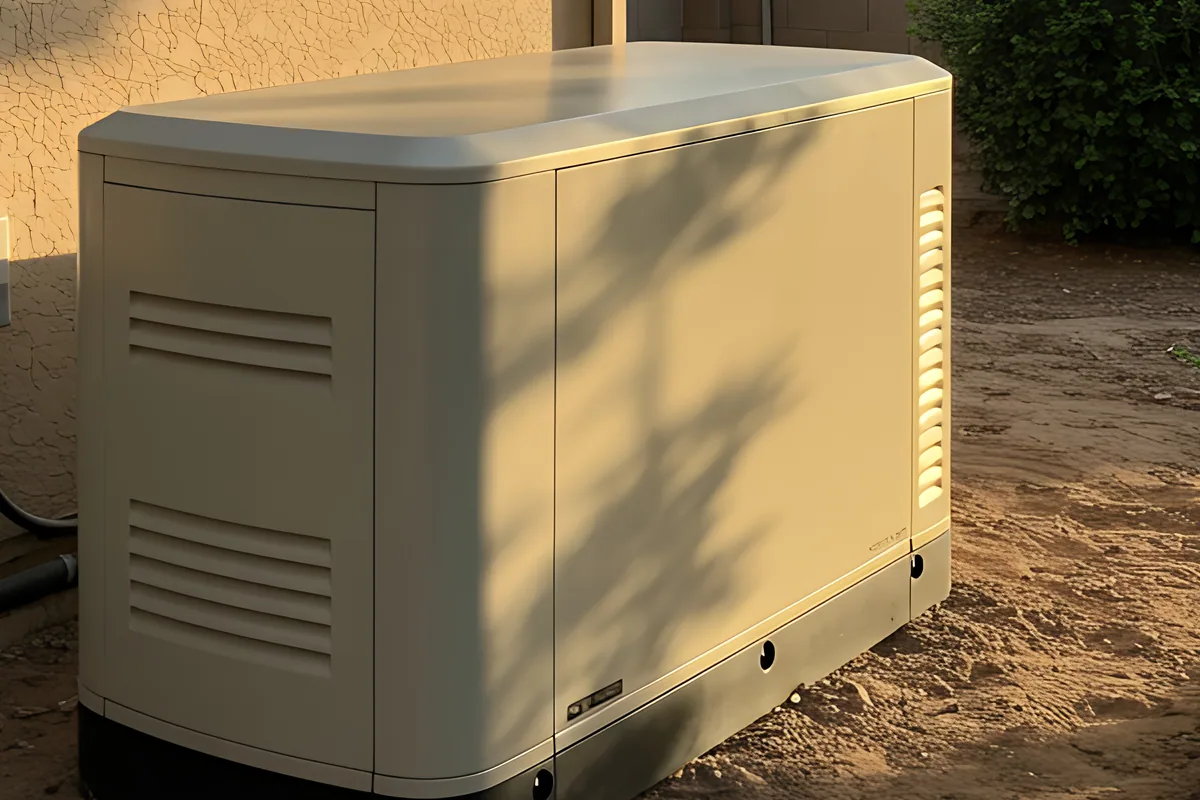

Load Review
Define what should run during an outage.

Site Review
Check placement, access, fuel path, and clearances.

Electrical Plan
Coordinate transfer switch and panel requirements.
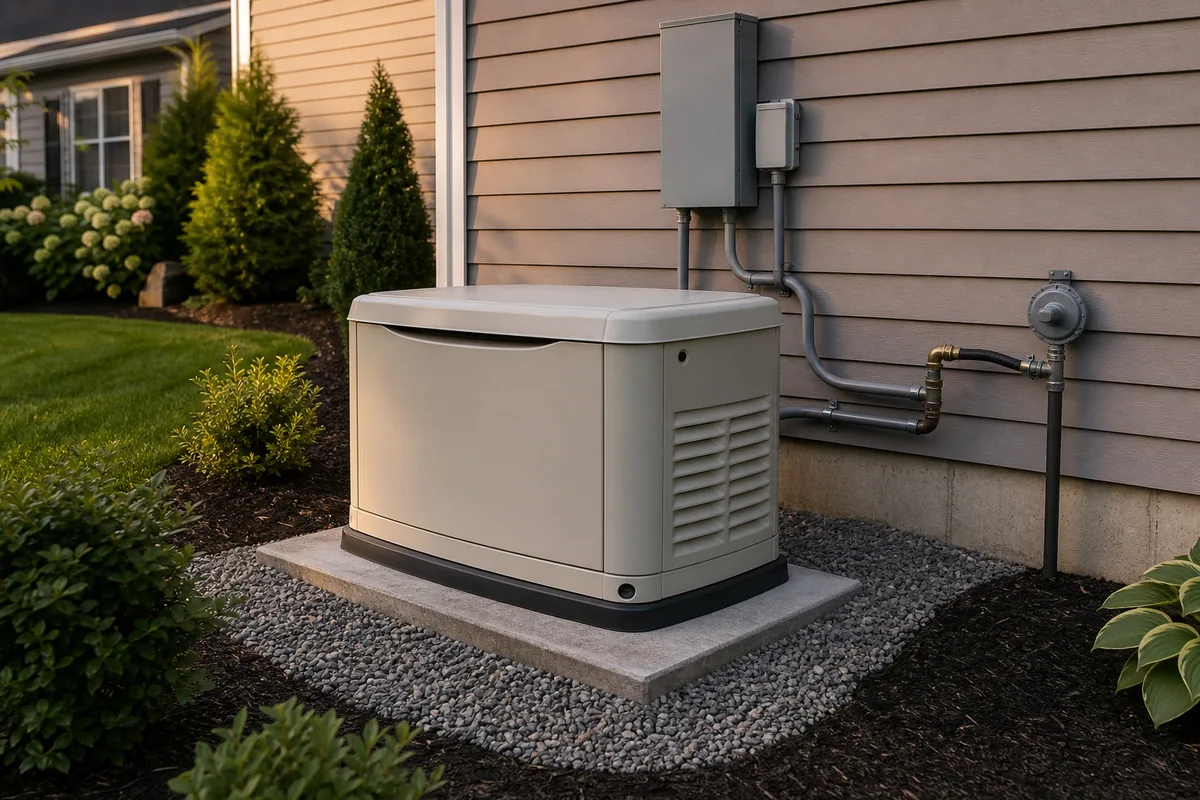
Outage readiness
BEST TIMETO PLAN BACKUP POWER
The best time to plan a generator is before the next outage season. Planning ahead gives you time to size the system correctly, coordinate fuel and electrical details, and avoid rushed decisions.
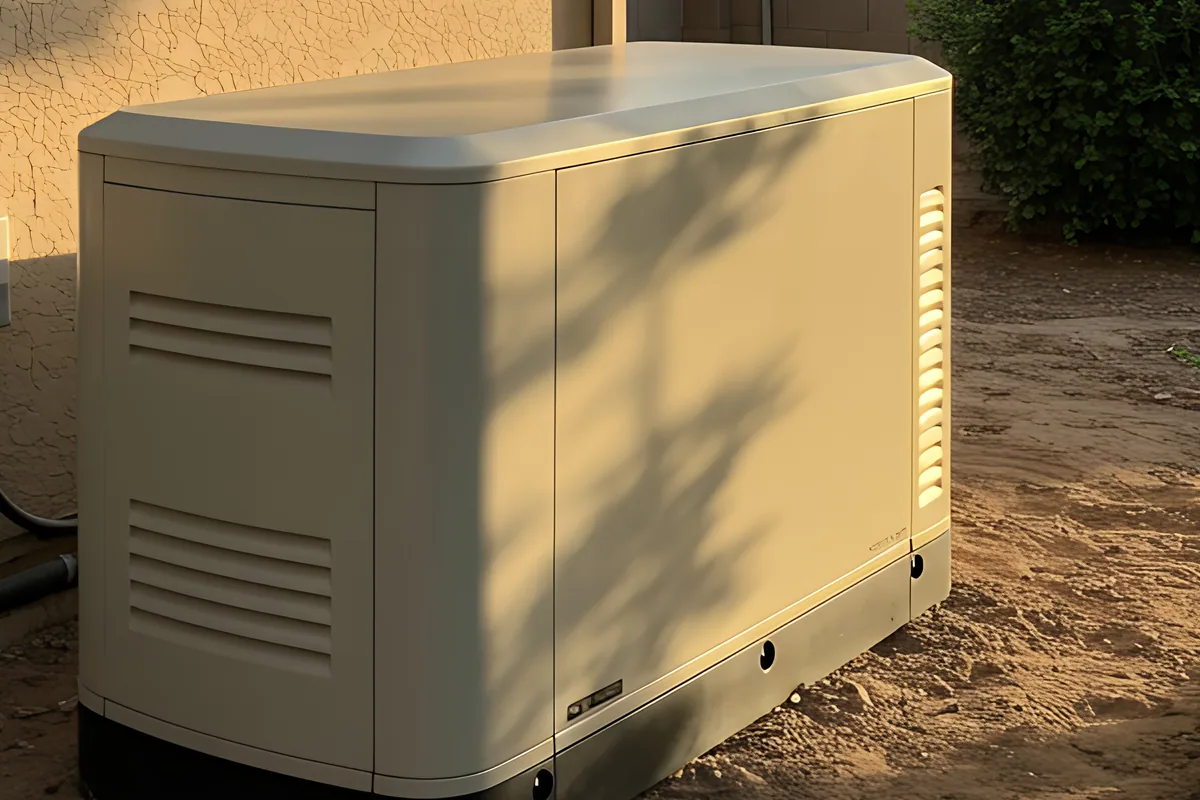
How it works
GENERATOR PROCESS
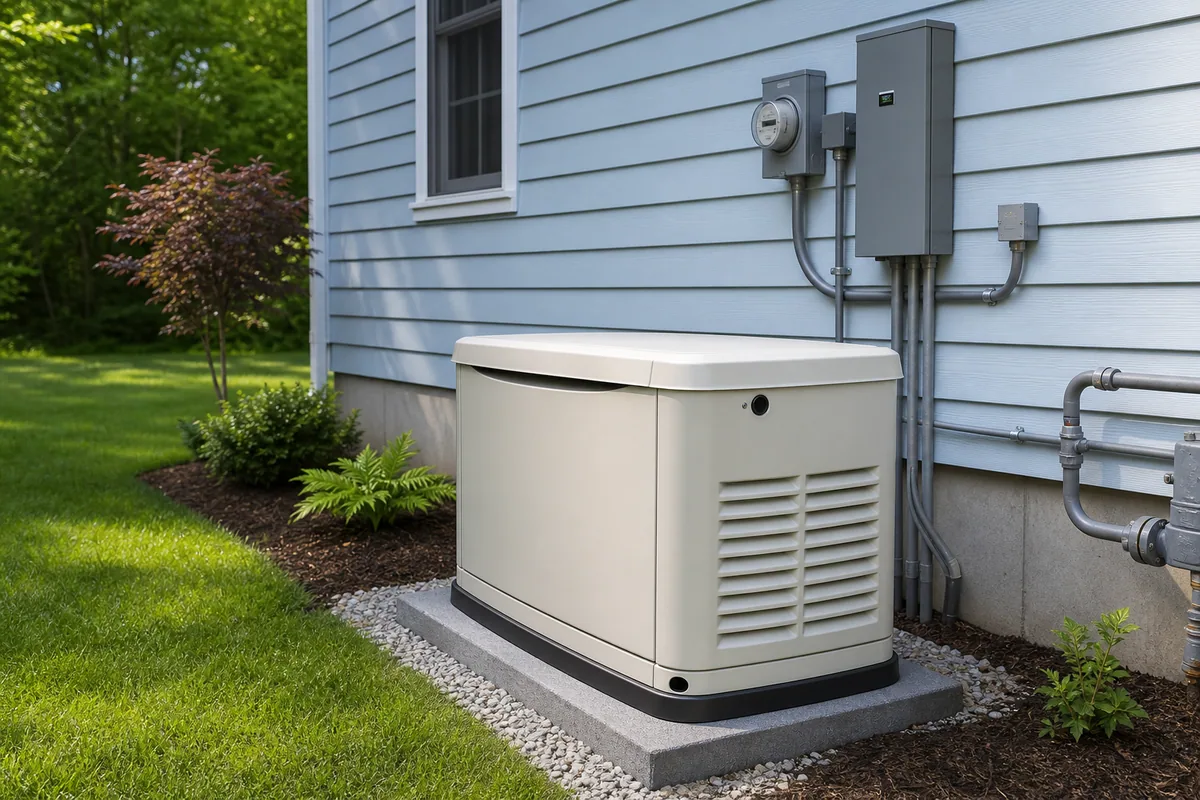
Needs Review
We discuss outage concerns and the home systems you want protected.
Load Planning
We size around essential loads, whole-home goals, and existing electrical capacity.
Site Planning
We confirm placement, fuel path, clearances, and access.
Installation Coordination
Electrical and generator work are sequenced so the system is ready when needed.
Practical options
SIMPLE SOLUTIONS
FOR YOUR HOME
Every home has different constraints. We keep the recommendation focused on the project path that actually fits your house, budget, and timing.

Prioritize the systems that matter most during an outage.

Evaluate a larger generator path when the home requires it.

Coordinate generator planning with battery or solar discussions when relevant.
Our process
A clear path
FROM REVIEW TO PLAN
Home projects are easier when the next step is clear. We review the existing condition, define the practical project path, coordinate related systems, and keep the work focused on the home.

1. Needs Review
We discuss outage concerns and the home systems you want protected.

2. Load Planning
We size around essential loads, whole-home goals, and existing electrical capacity.

3. Site Planning
We confirm placement, fuel path, clearances, and access.

4. Installation Coordination
Electrical and generator work are sequenced so the system is ready when needed.
Need an answer, we have it
Frequently Asked Questions
Generator size depends on the loads you want to run, starting loads, fuel source, and existing electrical service.
Often yes, but it depends on the home and budget. Some projects are better served by an essential-load plan.
Yes. A safe standby generator plan includes transfer equipment so utility and generator power are not connected incorrectly.
Yes. Generator, solar, and battery planning should be reviewed together when the home has multiple backup-power goals.
Don’t just
sit in the dark
We don’t spam or sell your contact information. Let us meet with you to learn how we can help you start saving energy and building energy independence for your home.